
From Kwale to the World: Africa’s Moment to Lead on Global Security
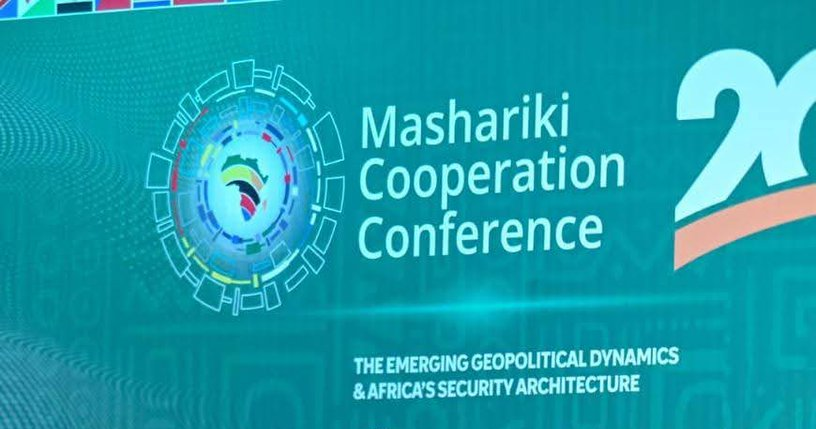
Under the leadership of Noordin Haji, Director General of the National Intelligence Service (NIS), the conference delivered a clear and urgent message: “No nation can effectively address these threats in isolation.”
In April 2026, a defining moment in global security took place on Kenya’s coast. In Diani, Kwale County, representatives from 98 nations convened for the 3rd Mashariki Cooperation Conference, held between April 8th – 12th.
What emerged was not just diplomatic engagement—but a fundamental shift in how the world understands security in an increasingly interconnected era.
Security Has Changed—Fundamentally
The global threat landscape is undergoing a profound transformation. Terrorism is no longer confined to physical battlefields or geographic strongholds. Today, it operates across digital ecosystems—within algorithms, encrypted platforms, and global communication networks.
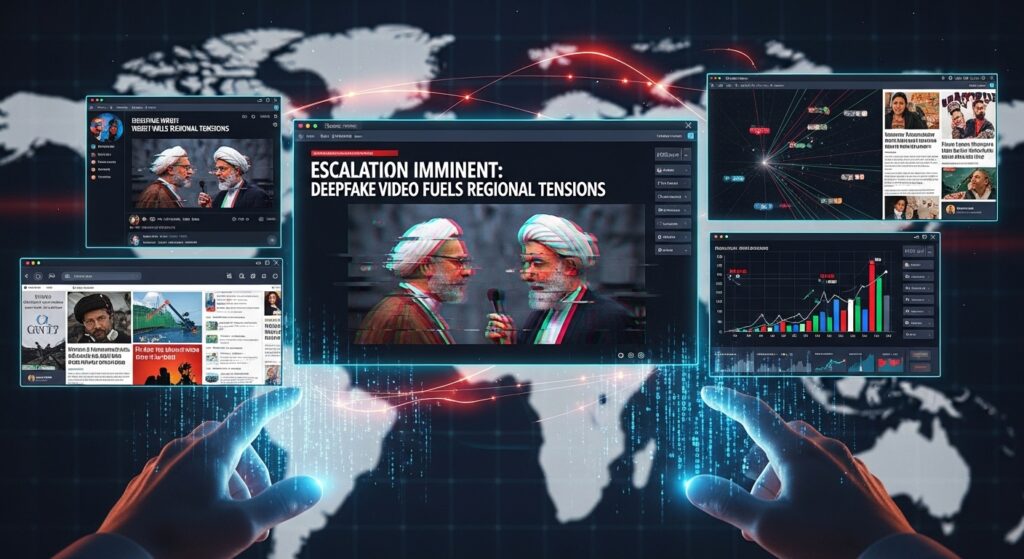
Artificial intelligence has accelerated this shift. Terrorist networks and malicious actors can now deploy AI-driven tools to generate highly convincing misinformation, deepfake videos, and targeted propaganda campaigns. These technologies amplify division, manipulate public perception, and accelerate radicalization—particularly in communities where trust in institutions is already fragile.
Recent developments in the Iran–Israel conflict illustrate this evolution. While fundamentally geopolitical, the conflict has demonstrated how AI-enabled misinformation can distort narratives and inflame tensions far beyond the battlefield.
At the same time, the rise of cryptocurrencies and anonymous financial systems has made tracking and disrupting terrorist financing increasingly complex. Cyber vulnerabilities are no longer secondary concerns—they are central to modern security architecture.
The Economics Behind Instability
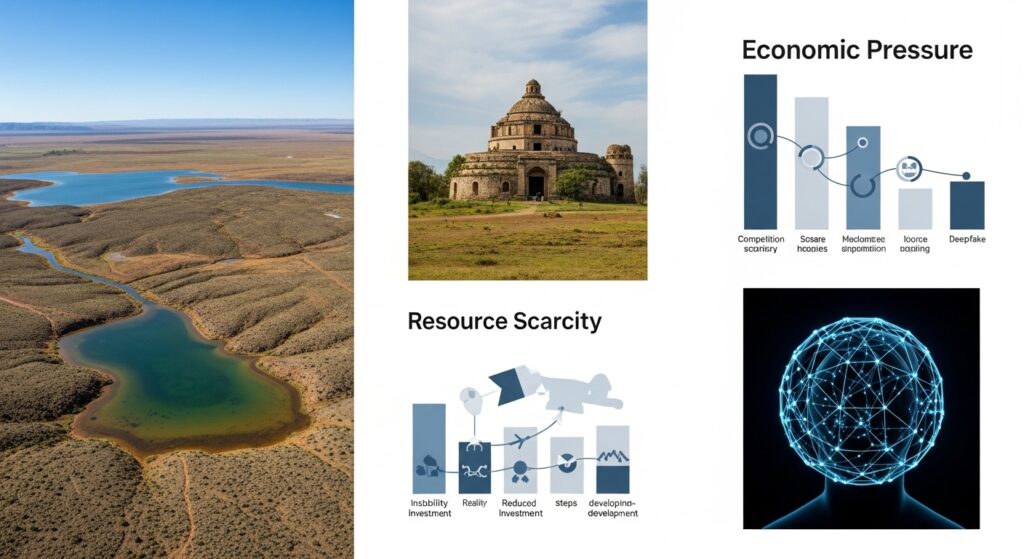
Technology alone does not explain today’s insecurity. Beneath the digital layer lies a deeper driver: economic pressure.
Across many regions, competition for scarce resources—land, water, minerals, and energy—continues to intensify. These pressures often exacerbate existing ethnic, political, and social tensions, creating fertile ground for extremist ideologies.
In areas where government presence is weak, terrorist groups exploit these gaps by positioning themselves as alternative providers of security, employment, and governance. By offering financial incentives, protection, or social services, they embed themselves within local communities.
The economic consequences are severe. Terrorism disrupts trade and investment, diverts public resources toward security spending, and slows development. The result is a vicious cycle of underdevelopment, instability, and prolonged insecurity.
The Imperative of Regional and Global Collaboration
A central theme emphasized by Noordin Haji is the necessity of collective action. Modern threats are transnational, and isolated national strategies are no longer sufficient.
Regional institutions such as the African Union (AU) must play a stronger coordinating role by enhancing intelligence sharing, enabling joint operations, and aligning counterterrorism policies.
At the global level, partnerships with international organizations remain essential. Terrorist networks, cyber threats, and illicit financial flows do not respect borders—and responses must reflect that reality.
Technology: Risk and Opportunity
Technology sits at the heart of this transformation—and presents a double-edged sword.
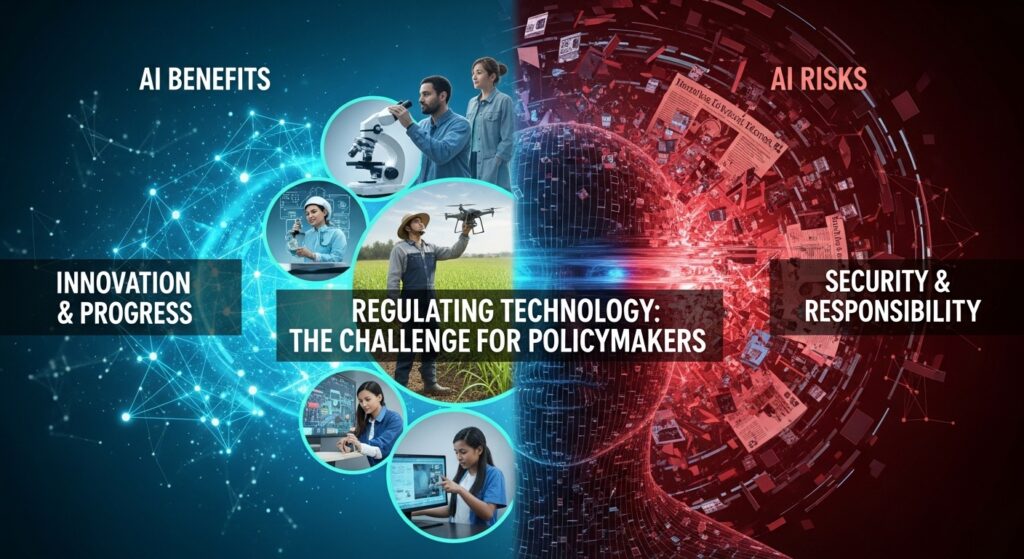
Insights from discussions at the Rwanda AI Summit highlight this duality. On one hand, AI offers powerful tools for predictive analytics, surveillance, and threat detection. On the other, it can be weaponized if left unregulated.
For policymakers, the challenge is not whether to adopt technology—but how to govern it responsibly. This includes integrating cybersecurity into national security strategies and establishing regulatory frameworks that ensure ethical and secure use of AI.
Building a Sustainable Security Architecture
Addressing modern threats requires more than policy alignment—it demands long-term investment in human and institutional capacity.
This includes:
- Training security personnel in digital forensics, cyber defense, and AI applications
- Strengthening judicial systems to effectively prosecute cyber-enabled crimes
- Reforming education systems to produce interdisciplinary experts in technology, policy, and social sciences
Educational institutions must play a central role in shaping the next generation of security professionals equipped to navigate complex, hybrid threats.
Equally important is community engagement. Local populations are often the first line of defense against radicalization. Empowering communities through education, economic opportunity, and inclusive governance reduces vulnerability to extremist influence.
Africa’s Role Is Changing
The 3rd Mashariki Cooperation Conference stands as a milestone in Africa’s evolving role in global security.
Convened under the leadership of Noordin Haji and hosted in Diani, Kwale County, the gathering of 98 nations underscored Africa’s growing influence in shaping international security discourse.
Kenya’s role in organizing and driving these discussions reflects its emergence as a regional leader in intelligence coordination and security strategy.
Africa is no longer merely responding to global challenges—it is actively defining solutions.
A Shared Responsibility
The central takeaway from Kwale is both simple and profound: security is collective.
It spans borders, sectors, and disciplines. It requires collaboration between governments, intelligence agencies like the National Intelligence Service, regional bodies such as the African Union, international partners, technology experts, and local communities.
In an era where threats are interconnected and constantly evolving, resilience depends on unity.
From Kwale to the world, the message is clear: the future of global security will not be built in isolation—but through shared responsibility, coordinated action, and leadership from regions that understand these challenges most deeply.